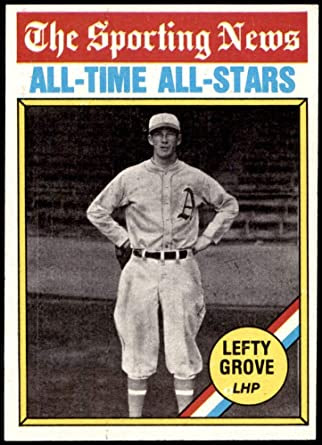
Thursday, May 6, 2021

 REGIONAL #98:  This regional was balanced in having four teams from this millennium and four from the previous one; it had one pennant winner in the 2014 Giants and also had Reds, Cubs, and Tiger teams that had won a pennant a year or two previously.  My pick was the Giants over the Cubs in the finals.  The ELO rankings portrayed this as a strong bracket, with 7 of the 8 teams in the "top 1000"; they picked an all-Tigers final with the 2007 squad going back nearly a century to beat the 1911 Tigers.  According to the ELO ranks, the pennant-winning Giants were only the 8th best team in 2014 and were the 3rd worst team in this regional.

First round action

The 2004 Dodgers won 93 games and the NL West, but they faced a 91-win 1983 Yankees team who had 21-game winner Ron Guidry on the mound.  Nonetheless, the Dodgers took a 1-0 lead in the top of the 1st when Steve Finley singles home Beltre, but the Dodgers lose LF Jayson Werth for the tournament to injury to end the inning, and the Yankees add insult to that injury when back to back doubles by Wynegar and Baylor against Dodger starter Brad Penny make it 2-1 NY in the bottom of the 1st.  The Dodgers tie it in the 3rd on a Jose Hernandez double, but both pitchers settle down and there are no more hits until the 7th, when the Dodgers score two on a Cesar Izturis triple and a Graig Nettles error (the Yanks' 4th of the game).  With a lead and a strong Dodger bullpen, Penny is on a short leash and when Steve Kemp leads off the bottom of the 7th with a double, Eric Gagne is summoned to lock things down, but Willie Randolph eventually brings Kemp in with a sac fly to narrow the gap to 4-3.  Things stay that way until the bottom of the 9th, when the Dodgers summon Carrara to try to preserve Gagne for later rounds, and he does the job, retiring a succession of Yankee pinch-hitters to preserve the 4-3 win and the Dodgers move on.  Guidry allows 7 hits, but 6 Yankee errors make his job impossible.

The 2014 Giants went 88-74 to finish 2nd in the NL West, but went on to win the pennant and the World Series from a wildcard slot, while the 1911 Tigers went 89-65 to finish 2nd in the AL behind big years from HOFers Ty Cobb and Sam Crawford.   The Tigers jumped to a 1-0 lead in the top of the 1st on a Stanage RBI single, but Crawford has to leave the game after his first AB with a minor injury.  Jim Delahanty (not to be confused with any of his 4 brothers who also played) hits a 2-run shot off SF starter Madison Bumgarner in the 3rd, and it's 3-0 Detroit.  The Giants finally get on the scoreboard against Tiger starter George Mullin in the 6th, on a Pablo Sandoval RBI single, but when a Cobb single puts men on 1st and 3rd in the top of the 7th, the Giants bring in Casilla in relief, and Delahanty promptly knocks a gbA++ to score a run with Cobb held.  The Giants get the run back in the bottom of the 7th when Tiger 2b-2 Charlie O'Leary boots a Pence grounder to score Joe Panik, narrowing the gap to 4-2 Detroit.  Casilla holds the fort, and in the bottom of the 9th a Panik single and a Michael Morse double put the tying run in scoring position for Pence with 2 out, but Mullin induces the popout and the Tigers head to the semifinal, where Crawford is expected to return to the lineup.

According to the ELO rankings, the 50-104 1953 Pirates were one of the 20 worst teams of all time, with bad pitching and defense and limp hitting with only the Other Frank Thomas' 30 HR as a real threat.  On the other hand, the 2017 Cubs were fresh off their 1st World Series win in a century, and won 92 games and the NL Central, making them prohibitive favorites in this matchup.  Things remain scoreless until the 4th, when the Cubs get to Pirate starter Paul LaPalme for 3 runs, including a Kris Bryant blast, and add two more in the 5th with RBI singles from Contreras and Happ.  Another run on an error in the 6th chases LaPalme in favor of Johnny Hetki, but with a 6-0 lead the Cubs are putting in the defensive replacements wholesale in support of starter Jose Quintana, who is cruising.  DH Kyle Schwarber adds a 2-run blast off Hetki's card in the 7th, and the few fans in Forbes Field were streaming towards the exits.  They didn't miss anything, as the Cubs coast to the 8-0 win, Quintana with a 5-hit shutout to preserve the formidable Cubs bullpen for later and more difficult rounds.

For teams from decidedly different eras, the 88-win 2007 Tigers and the 98-win 1962 Reds had a lot of similarities:  formidable lineups top to bottom, two hotshot #1 starters in 18-game winner Justin Verlander and 23-game winner Bob Purkey on the mound, and rather mediocre defense as their weak spot.  The game remains scoreless through six innings, with Tiger CF Curtis Granderson lost for the tournament in the 3rd, further weakening a suspect defense, but then Reds LF Jerry Lynch gets injured for 2 games to lead off the 4th to even things up.  The Tigers finally get to Purkey in the bottom of the 7th with four hits to take a 2-0 lead, and they add another in the 8th on a Pudge Rodriguez double.  The Reds never do solve Verlander, and the Tigers move on with a 3-0 win, Verlander tossing a 4-hit shutout against the imposing Reds sluggers.

The survivors

In the semifinal matchup between the 2004 Dodgers and the 1911 Tigers, both starters--Wilson Alvarez and Wild Bill Donovan--began the game allowing lots of baserunners but getting bailed out by double-plays, with the Tigers finally putting up a run on a Cobb single in the 3rd, although he was immediately caught stealing to end the inning.  A Steve Finley sac fly in the top of the 6th knotted things up, but when Alvarez puts the first two Tigers on in the 7th, it's time for Eric Gagne.  However, Gagne's magic is lacking as a Moriarity single and a Davy Jones sac fly puts the Tigers on top 3-1.  The Dodgers immediately respond to tie it in the top of the 8th on RBI singles from Shawn Green and injury replacement Jose Hernandez, but the Tigers push ahead again when Cobb singles, steals second, and scores when Choi badly boots a Stanage grounder.  In the top of the 9th, Donovan gets two quick outs but then Izturis and Cora get back-to-back singles to bring up Adrian Beltre (.334, 48 HR)--and Beltre takes Donovan's offering into the cheap seats, and the Dodgers take their first lead of the game, 6-4.  With Gagne burned, the Dodgers turn to Carrara to try to pick up his second straight save, and he does the job, retiring Crawford as the tying run to seal the 6-4 win and a trip to the regional final.  Worthy of note:  post-2000 teams went 4-1 against pre-2000 teams in this regional, with all of the latter now eliminated.

Both the 2007 Tigers and the 2017 Cubs had won their first round matchups via shutouts, but it was quickly apparent that starters Chad Durbin and the Cubs' Mike Montgomery weren't going to duplicate that feat.  The Cubs score in the top of the 1st on a Rizzo single, and the Tigers respond in the bottom with a Magglio Ordonez 3-run HR.  The Tigers add another run on a Gary Sheffield solo shot in the 2nd, but RBI singles from Rizzo and Happ in the 3rd narrow it to 4-3 Tigers.  Injury replacement Timo Perez drives in a run to make it 5-3 in the 4th, but Kyle Schwarber matches that in the bottom of the inning and it's 5-4 and the Cubs yank Montgomery in the 5th and look to their deep pen to hold the Tigers in check.  When Durbin walks the first two Cubs in the 7th, Detroit turns to their own pen and Bobby Seay, but that doesn't go well as Willson Contreras blasts a 3-run shot to put the Cubs up 7-5.   In the 8th, Placido Polanco hits a solo shot off Cubs closer Wade Davis to make it 7-6.  The Cubs lose Contreras to injury in the top of the 9th, then bring in reliever Carl Edwards and a host of defensive replacements to try to hold the one-run lead in the bottom of the 9th.  Edwards does his job, the Cubs notch the see-saw 7-6 win and move to the finals seeking to be the 4th Cubs team, and the 1st of this millennium, to take a regional.  

Better than the real thing

The regional final between the 2004 Dodgers and 2017 Cubs featured two NL division winners, but they both had a regular injured and a bullpen taxed by tight semifinal games, and down to their #3 starters it was apparent that team depth would be an important factor.  The Dodgers strike in the 2nd when some sloppy defense by Cubs LF Ian Happ allows two runs to score, but the lead is short-lived as Dodger starter Odalis Perez walks the bases loaded in the 3rd and then allows 3-run homers to both Kris Bryant and Kyle Schwarber, and a solo shot to injury replacement Alex Avila--making it 8-2 and Perez is gone after 2+ innings in favor of the difficult-to-spell Yhency Brazoban.  With the big lead, Cubs starter Kyle Hendricks is cruising, as he allows only 2 hits after the 2nd inning, and a Javier Baez single adds an insurance run in the 6th as the Cubs coast to a 9-2 victory and the regional win--only the 4th for the franchise (after 1969, 1974, and 1990).  The regional title was very much a team effort, as the leading run producer for the Cubs across the three games was Willson Contreras--who was injured for the final.


Interesting card of Regional #98:
  Carl Edwards Jr. only pitched in one game in this regional, notching the save in the 2nd round, but he and his Cubs relief mates constitute one of the better bullpens I've seen in the tournament recently.  What I find remarkable about Edwards' card is that hits-to-innings ratio.  For context:  aided by the short 2020 season, Trevor Bauer set the all-time record for lowest H/9 ratio with a 5.05 value.  Bauer qualified for the record by tossing 73 innings in 2020; Edwards threw only 7 innings fewer than Bauer, but his 3.93 H/IP blows Bauer's "record" out of the water.  Of course, Edwards did have some control issues--how many pitchers have you seen that allowed more walks than hits?   Then again, how many times have you seen a result like that on a 4-12 roll?  The odds of converting that 4-12 single are 1 in 4,320; because Edwards has only faced 736 batters in his 6-year career thus far, at his current rate he would need to pitch another 29 seasons before he'd have even odds of allowing that 4-12 single.

Tuesday, April 27, 2021

REGIONAL #97:  The draw for this group was an interesting one--nothing from the 21st century, and my initial glance at the bracket suggested that all eight teams were going to be pretty good, with the 1955 Yankees winning a pennant and a number of other teams entered that I thought were probably pennant contenders.  Because a Yankee squad had won the previous regional and potentially broken somewhat of a Yankee jinx in this tournament, I decided to pick an all-Yankees final here, with the 1955 version besting the 1934 version.  Unusually, my picks aligned with those using the ELO ranks, which listed the '55 Yanks as one of the 100 best teams of all time.  Those rankings also tabbed the Giants and the '53 version of the White Sox as dark horse candidates.


First round action

The 1955 Yankees won 96 games and the American League, although they finally got beat by the Dodgers in the Series.  The 1962 White Sox won 85 games to finish 5th in the AL, but their 1961 counterparts reached the finals of Super-Regional E and they were starting 20-game winner Ray Herbert against the Yank's Whitey Ford.  Herbert reels off four perfect innings against the Yanks, but in the top of the 5th Skowron ends the no-hitter by leading off with a HR 1-16/TR split that he misses--and then gets stranded at third.  The Sox luck, which was evident in the previous super-regional, persists when McDougald misses a HR 1-10/flyB split in the 6th.  In the 8th, Skowron tries to score from 2nd on an Irv Noren single--and is cut down at the plate to end the inning, but Ford is still holding the White Sox scoreless.  Finally, in the top of the 9th, Elston Howard pinch-hits for Billy Hunter and doubles, McDougald squibs a single, and the Sox infield comes in with nobody out and Hank Bauer at the plate.  The Sox think about Turk Lown, but leave Herbert in, and....boom, Bauer converts a HR 1-4/DO split, the Sox split dice magic has run dry, and Whitey Ford retires the Sox in order for a 3-hitter shutout and the 3-0 win.

The matchup between the 87-67 1930 Giants and the 77-win 1998 Rockies featured two teams from very different eras that each came from seasons with crazy hitting numbers; the Giants had 6 hitters with averages above .325 (including Bill Terry's .401), while the Rockies had 5 .300 hitters and 4 guys with more than 20 HR.  Of course, neither team had much pitching, although Carl Hubble certainly compared favorably to Darryl Kile as a #1 starter.  Surprisingly, the game remained in a scoreless tie until the bottom of the 4th, when Larry Walker broke up Hubbell's no-hitter with a double, and then Vinny Castilla singled him home to give the Rockies a 1-0 lead.  The Giants strike back in the 6th when a Fred Lindstrom homer gives them a 2-1 lead, but history repeats itself in the bottom of the inning with a Walker double & Castillo single to tie the game at 2-2.  With a stronger bullpen than the Giants, the Rockies have Kile on a short leash and when he allows a single to Ethan Allen in the 7th, Dave Veres is summoned.  Veres runs into trouble in the 8th, when with 2 out he allows a Terry single, walks Mel Ott, and then singles by Shanty Hogan and Fred Leach bring them both home, and the Giants lead 4-2 with Veres yanked in favor of Dipoto.  Hubbell quickly retires two Rockies in the bottom of the 8th, but then Helton triples, Walker hits his 3rd double of the game, and Castilla....homers, and the Rockies now lead 5-4 heading into the 9th.  Dipoto gets 2 quick outs in the 9th, but singles by Jackson and Lindstrom bring up Bill Terry with the tying run in scoring position; Terry smacks a hard liner to RF but Walker makes a spectacular play and seals the 5-4 win for the Rockies.

Lots of bombing
The 94-60 1934 Yankees finished in second place in the AL with great years from Lou Gehrig and Bill Dickey, and although Hall of Famers Babe Ruth, Earle Combs, and Tony Lazzeri were in decline, they still were threats.  The 91-71 1962 Twins also finished second in the AL and had some threats of their own, with all eight position players hitting double digits in HR and Harmon Killebrew only falling short of Gehrig's 49 HRs by one.  Furthermore, two 20-game winners were on the mound, Lefty Gomez and Camilo Pascual, and although the ELO ranks had the Yanks as sizeable favorites I felt that the two teams were pretty evenly matched.  However, when both Gehrig and Ruth went yard in the top of the 1st inning to give NY a quick 3-0 lead, I had to reconsider, and when they pounded Pascual for another 5 runs in the 2nd (including 3 runs on Gehrig's 2nd homer), I bowed to the wisdom of the ELO ranks.  A Bob Allison homer in the 4th makes it 8-2, but the Yanks quickly get those runs back when Ruth hits HIS second HR of the game and it's 10-2.   When Crosetti leads off the 6th with a HR off Pascual's card, the Twins run up the white flag on Pascual and try Joe Bonikowski, who does retire Gehrig for the first time of the game, and when Killebrew mashes a solo shot in the bottom of the inning the score is 11-3.  A Versalles double in the 7th makes it 11-4, but in the top of the 9th Gehrig hits his 3rd homer of the game to put the icing on a 13-4 blowout victory for the Yanks--with Gehrig and Ruth, playing in their last season as teammates, combining for 5 homers and 10 RBI.

The 1953 White Sox won 89 games to finish 3rd in the AL, while their 1st round opponent, the 1969 Phillies, lost 99 games with Richie Allen fairly lonely as their primary weapon.  The Sox jump out to a 2-0 lead with three extra-base hits off Rick Wise's card, including a triple by Jungle Jim Rivera, but the Phillies tie it in the 2nd when a Sam Mele error leads to a 2-run Don Money single off Sox starter Virgil Trucks' card.  The Phils move out in front in the bottom of the 3rd on a Callison sac fly, but the Sox then tie it in the 5th when Nellie Fox triples and Minoso singles him home.  The Sox push across two more in the 8th on a Bob Boyd RBI single, his 3rd hit of the game, and the Phillies search the bullpen but see no better options than Wise.  Mele atones for his earlier error with a solo shot off Wise in the 9th, and Trucks sets down the Phillies to send the Sox to the semifinals with a workmanlike 6-3 victory.

The survivors

The 1998 Rockies had an offense that benefited from the double whammy of altitude and the steroid era, but their starting pitching suffered terribly from both, and the latter was on display when the 1955 Yankees' Mickey Mantle hit a 2-run homer off John Thomson in the top of the 1st and Yogi Berra followed with a solo shot in the 4th.  When Thomson walked four batters in the 5th, the Rockies turned to their already depleted bullpen to try to quench the flames, but by the end of the 6th it was 7-0 Yankees and Tommy Byrne was bringing the Rockies down to sea level.  Colorado finally scored when Neifi Perez doubled home a run in the 8th, but that was the best they could muster as the Yanks cruise easily to the finals with a 7-1 win on Bryne's 4-hitter.

Ouch
It was two strong #2 starters with the 1934 Yanks' Red Ruffing against the 1953 White Sox and Billy Pierce in a good semifinal matchup, with the Bombers trying to make it an all-Yankees regional final.  Neither team can notch a hit until the 3rd, when both squander scoring opportunities--Crosetti missing Pierce's HR split and getting stranded at second, and then Nellie Fox hitting into a DP with runners on 1st and 3rd to end the bottom of the inning.  However, the Sox do get on the board in the 4th when Sam Mele homers with Minoso on to make it 2-0.  New York gets one of those runs back in the 5th when Lazzeri scores on a Saltzgaver fielders choice, and they load the bases in the 6th but Pierce pitches out of the jam.  In the bottom of the 6th,  Bob Boyd smashes a grounder back at Ruffing--it ricochets off Red's shin and they get Boyd, but the leg is broken and Ruffing is out for the tournament.  That incident wakes up the Yankees, who immediately score 5 in the top of the 7th--including a Gehrig grand slam--but then Lazzeri ends the inning with an injury and he's out for 3 games.  With Johnny Broaca now on the mound for the Yanks, the Sox score a run when Fox singles home Carrasquel to narrow the NY lead to 6-3, but that's all the Sox can muster and a depleted NY team heads to the all-Yankees final with the 6-3 victory.


A matchup in the Final between two different eras of great Yankee teams from 1934 and 1955 featured rosters that included 12 Hall of Famers, although starters 1934 Johnny Murphy and 1955 Johnny Kucks were certainly not among them.  One HOF put the 1955 Yankees up in the top of the 1st when Mantle tripled in a run, but the '34 Yankees tie it in the 2nd when Crosetti doubles in Dickey--although they fail to capitalize further, leaving the bases loaded.  The 55s retake the lead in the 3rd when errors by Saltzgaver and Gehrig result in an unearned run, but Gehrig immediately atones by leading off the bottom of the inning with a solo HR, and its 2-2 after 3.  However, in the 4th Don Heffner, playing for the injured Lazzeri, is himself injured, and suddenly the 34s all-"2" DP combo becomes an all-"4" duo as Crosetti has to move to play second.  In the 6th, Combs misplays a Mantle single for the 4th error of the game for the 34s and two runs for the 55s, and then Combs atones with a 2-run triple, and a Red Rolfe sac fly puts the 34s ahead 5-4 after 6.  When Kucks walks Ruth to lead off the 7th, the 55s bring in Don Larsen to keep things in range, and the move looks like a stroke of genius when the next batter (Dickey) rolls a 5-9, which had been Kucks HR reading but is a groundout on Larsen.  However, the next batter, George Selkirk, rolls a 4-9--Larsen's HR result--and now the 34s lead 7-4.  In the 9th, Murphy walks two with one out and he has to face Berra and Skowron as the tying runs--and he retires them both to give the battered 1934 Yankees the 7-4 victory and the regional title--the first for Yankees from the pre-war era.


Interesting card of Regional #97:
  With 12 Hall of Fame players in the regional final, there were quite a few noteworthy players to choose from, but this guy was a one-man wrecking crew, with 3 homers in the round 1 game, a grand slam in round 2, and a game-tying HR in the regional final--totaling 5 HR and 10 RBI in the three games.  In 1934, Gehrig won the AL Triple Crown, he also led the league in both OBP and SLG, and of course he played every game--but he only finished 5th in the league MVP voting.  However, there can be no doubt that he was the MVP of Regional #97.

Thursday, April 15, 2021

SUPER-REGIONAL E:  With 768 teams now having competed in regional action, that is the equivalent of 12 NCAA March Madness tournaments of 64 teams; I'm calling these groups of 64 "super-regionals".  Years ago I played out the first four of these super-regionals, with an eclectic group of winners that included two greats and two shockers:  the 1953 Dodgers, 1948 Indians, 1975 Giants, and 1971 Padres.  So now it's time for Super-Regional E, a matchup of 8 regional winners (Regionals 33 through 40) from a pool of 64 teams that originally included eight different pennant-winners.  Of those, only one survives; among the mighty squads that were eliminated in this group were the infamous 1927 Yankees, as well as the 1920 Indians, 1964 Cards, and 1980 Royals.   Note that the first round of the super-regional is the 4th game for these teams, meaning it's time to see just how deep their starting rotation is with their #4 starter on the mound.  To me, the obvious choice to win is the lone remaining pennant winner, the great 1931 A's; the ELO ranks agree, although they predict a challenging semifinal matchup for the A's against the 1950 Red Sox.  However, all of these teams have proven they can come through when necessary and it would be dangerous to underestimate any of them.   


Round 4 action:  

The 1983 Giants were a 79-83 team (ELO rank 1143) but they won three 1-run games to claim Regional #33, with their most impressive win involving a 4-3 victory over the 1975 Reds and the Big Red Machine, with Jeff Leonard, Chili Davis, and Joel Youngblood providing most of the offense.  Their 4th-round opponent was a near-contemporary, the 89-73 1982 Braves (ELO rank 1027), the NL West winner who had perhaps the toughest path to a regional victory as they defeated two pennant winners that included the legendary 1927 Yankees as well as the 1920 Indians to capture Regional #34, with 2 homers and 6 RBI from Dale Murphy leading the charge.  Starting pitchers Rick Camp for the Braves and SF's Mark Davis looked like the #4 starters that they were, and I think the ELO ranks accurately reflected that the two teams were more evenly matched than their W-L records would suggest.  The Giants quickly scout out the weak spots on Camp's card in the 2nd, when Leonard misses a HR split on Camp's 5-9 but doubles and then scores when Jack Clark finds a SI** result on Camp.  In the 3rd, Joel Youngblood finds his own solid HR result for a 2-run blast and it's 3-0 Giants, and Fulton County Stadium is eerily quiet, although the fans make some noise in the 4th when Claudell Washington finds Davis's solid 4-4 HR result to make it 3-1.  When Darrell Evans nails Camp's 5-10 solid HR result in the 6th, the Braves turn in desperation to Gene Garber to try to keep the game within reach, but the Giants get to Garber in the 7th when Chili Davis races home on a Lemaster single and it's now 5-1 Giants.  In the bottom of the 8th, it's Terry Harper's turn to find Davis's solid 4-4 HR to narrow the gap to 5-2 and with Gary Lavelle burned, the Giants nervously eye Greg Minton in the pen.  They let Davis begin the bottom of the 9th, but when with one out Chambliss hits a liner to left that Leonard can't reach, Minton is throwing hard in the pen.  However, Washington makes it moot by hitting into a double play to end the Braves run and wrap up the Giants 5-2 win with a 4-hitter by Mark Davis.

Tim:  Walk this guy
For the 4th round matchup between the 1977 Royals (ELO rank 213) and the 1961 White Sox (ELO rank 864), I had to invite my longtime leaguemate Tim to roll on behalf of the Royals, as it was his favorite team from his childhood, and the White Sox of that era were mine, with Luis Aparicio being my favorite player as a kid.  So, Tim and I connect over Zoom and set our lineups for this grudge match; being round 4 we're down to the #4 starters, Billy Pierce (who allowed too many hits) against Marty Pattin (who allowed too many homers).  But these are two very good teams; the Royals went 102-60 to win the AL West but famously lost to the Yankees in the final game of the ALCS when Larry Gura and Mark Littell couldn't hold a 3-2  Royals lead entering the 9th inning.  The 1961 White Sox went 86-76, but were just two years removed from winning the AL pennant and they had uncharacteristic (for the Sox of that era) expansion-year power, with Roy Sievers, Al Smith, and Jim Landis all knocking more than 20 homers.  The Sox go down quietly in the top of the 1st, and in the bottom of the frame Pierce is looking shaky, as he loads up the bases with a Brett hit and a couple of walks, but escapes with no damage.  However, the Royals come through with two more hits in the 2nd, one an Amos Otis RBI single driving in Patek, and it's 1-0 Royals.   Pierce is raked for three more hits in the 3rd (two off his own card), Darrell Porter and John Mayberry (both long-time Trash players) drive in runs, and it's 3-0 Royals, and Pattin seems to be settling in nicely, tossing 6 shutout innings.  Things get a little more interesting when Jim Rivera finally leads off the top of the 7th with a solo HR, and then get a lot more interesting in the 8th when Pattin allows a leadoff double to Aparicio and Robinson singles him home. At that point, Tim has seen enough and summons Gura from the pen.  But Gura allows two hits, and Mingori has to come in to close out the inning, but the Royals' lead is narrowed to 3-2.  When Mingori allows a hit and a walk in the 9th to put the tying run in scoring position, Tim summons Littell from the bullpen, who promptly walks three consecutive Sox batters--the last two of them with the bases loaded.  Littell is yanked and Doug Bird ends the inning, but the Sox take a 4-3 lead into the bottom of the 9th.  An exhausted Pierce starts the inning, but he issues his 6th walk of the game to leadoff hitter Brett and then Nellie Fox boots a Hal McRae grounder, and it's time for Turk Lown to come to try to preserve the win.  Porter flies out, and the Royals bring in John Wathan to pinch hit--and he does his job, lacing a single into CF.  The 3rd base coach furiously motions Brett to go home with the tying run, and he's safe, and then sends McRae to third--but Lollar snaps a strike to Carey and McRae is out by a step.  Fox then commits his second error of the inning and the Royals have men on 1st and 3rd, but Lown gets Frank White to pop out and we head to extra innings.  In the 10th, Bird records two quick outs and then yields two singles to the bottom of the Sox lineup, but Aparicio flies out to end the threat.  The Royals begin their half of the inning with Patek pulling a hamstring trying to run out a grounder, and he's gone for at least the next few games; Lown then quickly dispatches Otis and Cowens and it's on to the 11th.  Fox leads off the inning with a single in an attempt to atone for his horrible fielding miscues in the 9th, and a Robinson groundout moves Fox to 2nd.  With powerful Roy Sievers up and 1st base open, Tim elects to pitch to Sievers and.....big mistake.  2-9 roll, and Sievers puts it into the fountains at Kauffman Stadium; the Sox take the lead 6-4.  A Landis single and Tim is looking down at a nearly empty bullpen, but Bird recovers and ends the inning without further incident.  So it's down to Lown and the heart of the Royals order:  Brett/McRae/Porter, but two quick groundouts and then there is no joy in Royalville as Darrell Porter has struck out.  Final score:  White Sox 6, Royals 4; the Sox move to the super-regional final four, and the Royals go home.

The 1931 A's won 107 games and the ELO ranking list them as the 25th best team of all time; they cruised through their regional outscoring their opposition 16-4 with Al Simmons knocking in 5 of those runs.  However, if this team had an Achilles heel, it was their #4 starter, and after much deliberation Connie Mack decided to go with Eddie Rommel for the start.  The 1972 Astros went 84-69 (ELO rank 836) and had an Astrodome-enhanced pitching staff coupled with a lineup boasting Wynn, Cedeno, Bob Watson, and Lee May, although unsung DH Norm Miller had been pivotal in the regional with 2 HR and 5 RBI.  Things don't start well for Houston starter Ken Forsch when Max Bishop walks, Cochrane singles him to 3rd, and then Jimmie Foxx crushes one into the depths of the 'dome to give the A's a 3-0 lead.   The Astros had never trailed in any of their regional games, and their hurdle got larger in the 4th when the A's rattle off another four runs, two on a Cochrane triple.  When Mule Haas leads off the 5th with a solo HR, the Astros try Fred Gladding on the mound to see if that can change their fortunes, and he does a fine job, throwing four hitless innings against the powerful A's.  Houston finally converts a run on a Cedeno single in the 8th, but the A's rake over Gladding's replacement, George Culver, for three more runs in the top of the 9th and the Astros face an 11-1 deficit going into the bottom of the 9th.  Rommel sets the Astros down in order, and the A's move on to round 5 in impressive fashion.

A super-regional Battle of the Soxes matched the 1950 Red Sox (ELO rank 86) against the 1978 White Sox (ELO rank 1708).  On cardstock the matchup looked lopsided:  Boston won 94 games and had a killer lineup, with 7 hitters batting over .300 (the lowest BA in the lineup:  Bobby Doerr at .294) and Doerr, Ted Williams, Walt Dropo and Vern Stephens all with over 25 HR.  In contrast, the White Sox lost 90 games and had a lackluster lineup that still managed to win three straight games against teams with much better records in their regional.  With Chicago throwing 16-game loser Ken Kravec against Boston's Chuck Stobbs and his 5.10 ERA, the fans at Fenway were expecting offensive fireworks, and they erupted quickly when in the top of the 1st Stobbs allows doubles to Garr, Soderholm and Nordhagen before he can record an out, and Chicago leads 4-0 before the Red Sox have swung a bat.  The White Sox add two more in the 3rd on a 2-run shot from Nordhagen off Stobb's card, but there may not be a worse bullpen than that of Boston's and it looks like Stobbs is in for the long haul.  When Ted Williams leads off the bottom of the 4th with a HR, Kravec is badly rattled and the Red Sox bat around to narrow the score to 6-5.  A Birdie Tebbetts single ties it in the 5th, and Chicago isn't wild about its bullpen options either, but when Kravec puts the first two men on the 6th they summon Lerrin LaGrow to try to slow the bleeding, and he sets Boston down in order--including a 5-4 roll that would have been a solid HR on Kravec's card.  Buoyed by LaGrow's success, the Sox get their first two men on in the 7th, but Nordhagen hits into a double play to end that threat.  Then Goodman leads off the bottom of the 7th with a HR off LaGrow's solid 6-10 HR result, and back-to-back doubles from Dom Dimaggio and Williams add two more runs, and it's 9-6 Boston and Stobbs need to just last two more innings to secure the win.  The Red Sox batter LaGrow for another 4 runs in the 8th, Stobbs sets Chicago down in order in the 9th, and the Red Sox move on with a 13-6 mauling of the Chisox.

Super-Regional Semifinals:

In setting up the round 5 matchup between the 1983 Giants against the 1961 White Sox, I discovered that in the distant past I had elected to start the Sox #4 starter, Ray Herbert, in the first round, presumably because they had an easy opponent and difficult projected later matches in the regional.  The downside to that strategy is that here in round 5 Herbert is matched against Fred Breining, the Giants #1 starter, and Sox closer Turk Lown was burnt in the previous round's extra inning thriller.  The White Sox score a run in the 1st and the 5th, both on RBI singles past the glove of the Giants' 2B-4 Joel Youngblood, and in the 7th Nellie Fox hits an improbable HR off Breining's card, so Gary Lavelle comes in from the pen to try to keep it close.  And the Giants come alive in the 8th, as Brenly leads off with a HR and Youngblood drives in Lemaster to make it 3-2, so the Sox bring in Russ Kemmerer to try to save the lead.  However, Jack Clark opens the top of the 9th with a 1-7 roll:  HR 1-19 DO....and rolls a 20 on the split.  However, the next batter, Chili Davis, singles off Kemmerer's card, Clark scores, and we enter the bottom of the 9th with a tie game.  With one out, Sox #9 hitter Andy Carey singles, Aparicio grounds him to 2nd, and it's up to Nellie Fox, with 2 RBI in the game already, to try to win the game.  The roll: 6-5 on Lavelle, DO 1-6/SI**, and the Sox get the walk-off win 4-3 to reach the Super-regional finals.

10 innings, no problem
The 1950 Red Sox had averaged 11 runs in their 4 games in this tournament, boasting one of the best top-to-bottom offensive lineups I've seen.  However, in round 5 they face 31-game winner Lefty Grove and the 1931 A's, who have a few hitters themselves, meaning that this matchup looked to be one of the most interesting in recent memory.  A Mickey Cochrane single drives in Bishop in the top of the 1st to give the A's a 1-0 lead, and they add another in the 5th when Todt doubles and Bishop singles him home.  But Boston starter Mel Parnell is keeping the Red Sox within range, and in the 6th they finally get to Grove, with doubles from Zarilla and Dropo tying the score at 2-2.   From there, both Grove and Parnell are in command and after 9 innings the score remains tied 2-2, with neither team eager to go to their bullpen with their #1 starters in.  So Parnell goes out to start the top of the 10th, and the A's rake him for 4 hits and 3 runs, only avoiding another when Cochrane is cut down trying to score on a Haas single.  Thus the A's are up 5-2, and Grove has one more inning in him by tournament rules:  he allows a Goodman single and a walk, and with two out it's Al Zarilla (.915 OPS) at the plate as the tying run and Ted Williams staring at Grove from the on-deck circle.  But Grove strikes out Zarilla, sealing the 5-2 A's win and putting them into the super-regional final, where they will attempt to be the 3rd Old-Timer team to win a super-regional in 5 tries.

Super-Regional E Final:

The excitement was palpable at Shibe Park for the Super-regional final between the 1931 A's and George Walberg against the 1961 White Sox and HOFer Early Wynn.  The A's had outscored their opposition in the first five rounds 29 to 7; the Sox margin was 23 to 14 with multiple close calls.  In the top of the 1st Walberg walks three to load the bases but the Sox can't push any runs across; in the bottom of the 3rd, Jimmy Dykes misses a HR 1-2/DO split by rolling a 3, and Wynn strands him at 2nd to keep the game a scoreless tie.  Al Simmons breaks the ice in the 4th with a solo HR, and the A's add another in the 5th when Dykes hits his second double of the game and Todt singles him in.  The Sox miss a chance to score when Floyd Robinson (1-14) is cut down at the plate, which seems to take the wind out of Wynn's sails as he allows four straight hits to open the 6th, and the A's move out to a 5-0 lead.  Al Simmons adds his second HR of the game in the 7th, a 2-run blast, to make it 7-0, and the clutch hitting that the Sox had displayed throughout the tournament is stymied by the excellent A's defense.  Walberg retires Aparicio in the 9th to seal a 7-hit shutout and the 7-0 win, and the 1931 A's stand alone as the sole survivors of 64-team Super-regional E.


Interesting card of Super-Regional E:  As the long-time Strat players on this forum probably know, the original Old-Timer teams came in a variety of colors and sizes before the modern perforated abominations took over.  Over the more than 50 years that I've been accumulating Strat cards, I've ended up with versions of those original die-cut Old-Timers that have blue ink, red ink, blue ink on yellow cards (a favorite of mine), but the VERY original Old-Timers were just the same as the then-current season cards--black ink on cream-colored cardstock.  That was the version that I used here to roll the 1931 A's to the Super-regional title.  As you can see from the condition of these cards, this wasn't Al's first rodeo--my buddies and I played the heck out of these Old-timers when we were kids, and it's nicely satisfying to take these guys out of the storage drawers, set that lineup once again, and watch them still be just as awesome as they were for us, a half-century ago.


Sunday, April 4, 2021

REGIONAL #96:  This regional marks an important waypoint in this tournament, wrapping up a third grouping of 256 teams that have played after this regional (768 teams in total thus far).   And it looks like a good one, with two pennant winners in the Royals and the Rockies, other contenders including another good Royals team from a different era as well as Pirates and Yankees squads that likely bring some weapons to the table.  My hunch was that the pitching of the 2015 Royals would carry them past the Rockies and that they'd handle the Yankees in the finals; the ELO rankings predicted the same teams in the finals, but the prorated score for the Yanks put them among the top 50 teams of all time and thus New York was the ELO favorite.  It was interesting to note that although the Rockies won the NL pennant in 2007, the ELO rankings ranked five AL teams as better than them.  

First round action:  

According to the ELO ranks, the 90-win pennant-winning 2007 Rockies team was the best squad in franchise history, with a power-packed lineup and good defense but limited by pitchers struggling to deal with the HR-friendly conditions that exist a mile above sea level.  In contrast, the 99-loss 1934 Reds finished last in the NL and were ranked as one of the 100 worst teams of all time, although they had a young nucleus of players like Ernie Lombardi, Paul Derringer, and Frank McCormick who would go on to win a pennant some years later.  Derringer, one of two 20-game losers on the Reds staff, got the task of attempting to keep the Rockies in check, and check he did, allowing only two hits and no runs through 7 innings.  In the meantime, the Reds climbed out to a 6-0 lead on two Chick Hafey homers and RBI singles from Pool and Piet, chasing 17-game winner Jeff Francis after only 4.1 innings in which he allowed 10 hits.   The Rockies finally knock three hits in the 8th, but coupled with a Derringer error it only amounts to one run with a rally-killing DP ending the threat.  Derringer retires the side in order in the 9th, and the Reds easily pull off the upset 6-1 win over a stunned Colorado team, with Derringer tossing a 5-hit complete game.

The 2015 Royals won 95 games, the AL, and the World Series with a solid if not spectacular lineup and some strong arms in the bullpen, although their starting pitching was not as good as I remembered it being.  However, it was still miles better than that of the 2000 Rays, who lost 92 games and had dreadful steroid-era pitching without the benefit of huge steroid-fueled power in their lineup.  The Royals started off auspiciously, with leadoff hitter Lorenzo Cain rolling Tampa starter Albie Lopez' HR result, but missing the 1-15 split and then getting stranded at second.  Cain hits another double in the 3rd with no out, but again gets stranded at second and it's beginning to look like the Royals are struggling to find a clutch hitter.  Finally, in the 5th inning the Royals score three, courtesy of two Tampa errors and a key Ben Zobrist single, and KC looks to their starter Chris Young to hold off the Rays long enough to get it to their bullpen.  However, a Felix Martinez triple and a Miguel Cairo double make it 3-1, and two Young walks load the bases with one out and the Royals are forced to turn to their killer closer, Wade Davis, to try to staunch the bleeding.  Davis comes through, recording a whiff and a popout, and it's still 3-1 KC after six, with the Royals hoping for some insurance runs so that they can pull Davis and preserve him for later rounds.  They add one in the 7th after the 4th Tampa error of the game, and promptly replace Davis with Kelvin Herrera and crossed fingers.  Herrera is torched for a solo HR by Jose Guillen in the bottom of the 9th, and the Rays turn to their PH extraordinaire Ozzie Timmons and his .707 SLG% to try to pull the game out, but Timmons whiffs and the Royals survive with a 4-2 win and move on.

Both the 1975 Royals and the 1967 Pirates struck me as good teams--the Royals won 91 games and were every bit as strong as the pennant-winners who played in the prior game, and although the Pirates only went 81-81, they had four .300 hitters in the lineup along with mashers like Stargell and Clendenon.  On paper the Royals looked to have the better starting pitching, but that wasn't evident early as the Pirates mauled Marty Pattin for 4 runs in the 1st (including a Stargell 3-run homer) and another 4 runs in the 2nd (courtesy of a Clemente grand slam), with Pattin leaving the game with a 1.1 IP, 7HA, 8RA pitching line.  The Royals get on the board against Tommie Sisk in the 5th when a George Brett fielders choice scores a run, but the Pirates match it in the 7th when Maury Wills walks, steals second, and Mazeroski doubles him home.  The Royals can't solve Sisk, who ends with a 6-hit CG and the Pirates coast into the semifinals with an impressive 9-1 win.

The 2019 Yankees won 103 games, but I was surprised to find that their ELO ranking would put them among the 50 best teams of all time--until I set their lineup.  With 9 players having a SLG% over .500 and a killer group in the bullpen, it seemed to me that their only weaknesses were rather mediocre starting pitching and a host of frightening injury results on their cards.  In contrast, the 82-80 1993 Mariners had exactly two weapons:  Ken Griffey Jr., and Randy Johnson.  Despite a great card, Johnson looked mortal when Gary Sanchez hits a solo blast in the 2nd and Gleybar Torres adds an RBI single in the 3rd.  However, the Mariners then find the weaknesses on Yankee starter James Paxton's card, with Rich Amaral finding Paxton's HR result for a 2-run shot in the bottom of the 3rd and Omar Vizquel finding it again for a solo shot in the 5th, and the Mariners lead 3-2.  When Paxton allows a single in the 6th the Yanks have seen enough and turn it over to their bullpen--and they do their job, but Johnson is shackling the Yanks.  The game enters the 9th with the M's still up 3-2; Johnson quickly retires two batters to begin the top of the 9th, and with the Mariners one out away from the upset, Brett Gardner hits a game-tying blast that leaves the Seattle crowd stunned.  Zack Britton retires the Mariners in order in the bottom of the frame and the game heads to extra innings.  Johnson stays in the game and sets down the Yanks in the 10th, and in the bottom of the 10th, another Tino Martinez error, a hit and a Britton walk loads the bases with one out for Griffey Jr.; and the Yanks summon their closer Aroldis Chapman to try to hang onto the game.  With the infield in, Griffey hits the gbA for the force play at the plate, and then Chapman strikes out Jay Buhner to send the game to the 11th.  Norm Charlton has to come in to relieve the exhausted Johnson, and Charlton grooves one to late-inning DH replacement Giancarlo Stanton; it's gone, and the Yanks lead 4-3.  Chapman shuts down the M's in order in the bottom of the 11th, and the Yanks survive a serious scare to move on to the semifinals.

The survivors:

The 1934 Reds had defeated a pennant winner in round one and had their sights on another in the semifinal in the form of the 2015 Royals, but that dream proved to be short-lived when the second Royal batter, Eric Hosmer, converted a HR 1-2 split off Reds' starter Bennie Frey's card, and Frey absolutely lost it.  Frey was mercifully pulled with one out in the second inning, after allowing 10 runs on 11 hits, and although some bad Reds bullpen pitchers did an admirable job for the remainder of the game, things were already far out of reach.  Gordon Slade was able to contribute a couple of RBI singles to narrow the gap slightly, but with the big lead KC starter Edinson Volquez was able to run on cruise control and the Royals coast to the 10-3 win.  The good news for the Royals was that the blowout enabled them to rest a bullpen that was taxed in the first round; the bad news was that DH Kendrys Morales was injured for 5 games, and the squad really doesn't have a bat on the bench that can provide a capable replacement.

The historical documents after 96 regionals
Despite being ELO favorites, the 2019 Yankees barely survived the 1st round and were now facing a more formidable opponent in the 1967 Pirates, with Masahiro Tanaka on the mound against Steve Blass (before he would go on to develop the disease that bears his name).  The Pirates had started fast in their 1st round game, and when Yank SS Gleyber Torres fielded a grounder from leadoff hitter Matty Alou and threw it into the Pirates dugout for a 2-base error, the groans from the fans could be heard in Staten Island.  However, Tanaka managed to strand Alou at 2nd, and then in the bottom of the 1st the Pirates return the favor when Manny Mota misplays a Brett Gardner fly to open a door that Blass can't close, with the Yanks scoring three runs--two on an Edwin Encarnacion HR.  The Pirates threaten in the 2nd but Mazeroski is cut down at the plate to end the inning.  Encarnacion's second 2-run HR in the 3rd makes it 5-0, and a Torres solo shot in the 7th pushes the lead to 6-0.  The Pirates can't figure out Tanaka, with at least four rolls on either side of his solid 4-9 HR reading, and Tanaka finishes with an 8-hit CG shutout, resting the depleted Yankee bullpen for a finals showdown against the Royals.

A milestone regional gets to wrap up with two very good squads, a World Champion 2015 Royals team against the AL runner-up 2019 Yanks.  Having played both teams for a couple of games, the Yankees were flat out impressive, an offensive juggernaut with a bullpen capable of bailing out suspect starting pitching.  The Royals were also coming into the game minus their DH Kendrys Morales; worthy of note, the Yankees had their own version of Kendrys that they would have been glad to loan the Royals, as the 2019 Morales seemed like he was about the 8th best DH on the powerful Yankees team.  The Yanks power is hinted at in the 1st when Urshela misses a HR split on Royals' starter Yordano Ventura's card, but he drives in Tauchman with the resulting double.  A solo shot from Gleyber Torres in the 2nd, another from Gary Sanchez in the 4th, and a third from Urshela in the 8th seems to provide Yanks starter Domingo German with all the support he needs.  However, when slap hitter Omar Infante finds German's solid HR result at 6-9 in the 6th inning, the Yanks turn it over to their bullpen, and Ottavino and Britton do the job to preserve the 4-1 victory and the regional win.  Despite their great history, this is only the 3rd Yankee team to win a regional, joining the 1960 and 1979 squads.


Interesting card of Regional #96:  I sort of hate to select a 2019 card for this feature because most people will be familiar with such recent seasons, but the 2019 Yanks did win the regional and it is only fitting to highlight one of their players.  However, rather than selecting one of the numerous imposing sluggers in the Yankee lineup, I picked a low IP starting pitcher who only made one appearance in the regional--in relief, as according to tournament rules he has too few IP to use as a starter but can be used in relief, and he tossed two important shutout innings in NY's 1st round extra-inning win.  Severino had won 19 games for the Yanks in 2018 at the age of 24, but like so many players on the Yankees, he battled various injuries in 2019 and didn't pitch at all until September--and afterwards missed all of 2020 following Tommy John surgery.  I highlight Severino because the primary weakness of this squad (aside from some frightening injury results) was their starting pitching, and I just wonder how many games the Yankees--with 103 wins as it was--would have won if everyone, including Severino, was healthy all year.  I was initially surprised to discover that the ELO ranks placed the 2019 Yanks among the 50 greatest teams of all time; after watching them charge through this regional, I think that if this Severino card had 212 IP rather than 12, the team might belong in the top 25.

Friday, March 26, 2021

 REGIONAL #95:  This group had no pennant winners but lots of variety:  a standard deviation of 42 years around a mean season of 1964!   In thinking about contenders, I knew the Mets would win a pennant the following year, I suspected (as I incorrectly had in the last regional) that the Tigers were pretty good, and Giants teams from the 1970's had already captured three regionals and tend to play over their heads.  I picked the Mets over a steroid-era Padres team in the finals.  The ELO rankings instead picked the 1911 Cubs to beat the Mets, which I figured must involve some remnants of the Tinker to Evers to Chance group; however, I was comfortable with my choice as I doubted that a deadball era team would stand much of a chance against a similarly-ranked steroid-era squad.

 First round action  

My main recollection of the 96-loss 1971 Senators was that they had Frank Howard, one of my favorites from that era, but aside from a pretty good bullpen they had little else. I was thinking that the 1911 Cubs (92-62, 2nd place in the NL) had never seen the likes of Howard's 26 HR before, but Cubs RF Wildfire Schulte hit 21 HR himself--and he also hit 21 triples, almost as many as Hondo hit in his entire career! The Senators meager offense isn't helped when DH Jeff Burroughs is lost to injury for the tournament in the 3rd inning. The Cubs take a 1-0 lead in the 4th when Schulte doubles and Heinie Zimmerman singles him in, but the Nats tie it immediately in the top of the 5th when Howard doubles in Don Mincher on a missed HR split. In the 6th, Washington reels off four hits against Three Finger Brown, including a Tim Cullen triple, and suddenly the Senators hold a 4-1 lead and Cubs manager Frank Chance inserts himself into the lineup to try to provide a spark. In the 7th, Brown loads the bases on a hit and two walks, and the Cubs have to pull their HOFer in favor of Charlie Smith, who holds the Senators to 1 run on a Toby Harrah sac fly, but it's now 5-1 and Nats starter Pete Broberg is looking more like Pete Alexander. Two straight hits against Smith in the 8th, followed by a Hondo 3-run HR, and it's 8-1 Washington and Cubs fans are starting to blame a goat that won't even be born until 30 years later. And so it ends, with Broberg tossing a 3-hitter and Washington raking Cubs pitching for 17 hits, and the ELO regional favorite is blown out of the tournament in the 1st round.

The 76-win 1997 Padres against the 82-71 1927 Tigers posed an interesting matchup between a mediocre steroid era team and a decent team from the classic era.  After setting the lineup the Tigers looked like a much better team than the 1941 squad that won the previous regional, led by Harry Heilmann's gaudy .398 batting average, although the Padres' Tony Gwynn and his .372 average wasn't far behind.  The Tigers show Padre starter Joey Hamilton their hitting prowess early, batting around in the 2nd inning to score 5 runs with Neun and Gehringer both contributing 2-RBI singles.  The Padres respond with a run in the 3rd when Caminiti singles home Gwynn, but when the Tigers open the bottom of the 3rd with three straight hits, San Diego feels it has to go to closer Trevor Hoffman if they are going to have a chance in this game, so Hamilton departs after allowing 9 hits in 2 innings.  Hoffman promptly allows a hit, and the Tigers now lead 8-1 after three.  The Tigers score again in the 4th on a Taverner fielders choice, and meanwhile Tigers starter Earl Whitehill is cruising.  Fothergill drives in another Tiger run in the 8th against the third Padre pitcher, Bruske, and that puts the cap on the 10-1 Tiger victory and a convincing win for the classic era, although for a steroid-era squad the Padres were not a particularly power-laden example.

My choice for regional favorite, the 1999 Mets won 97 games and made the NLCS with lots of weapons--power, average, speed, defense, and a lockdown closer in Armando Benitez.  They faced a good 89-win 1978 Giants team who had a strong Bob Knepper on the mound, but on cardstock the Mets still looked like the better team by a comfortable margin.   However, the 1st inning had a lot of uncomfortable omens for the Mets--first, leadoff batter Terry Whitfield belts a HR, followed by an error from Mets 2B-1 Edgardo Alfonso; then when the Mets get their shot in the bottom of the 1st, leadoff hitter Roger Cedeno gets a single but is nailed by Marc Hill stealing 2nd despite Cedeno's AA rating.  Leading 1-0, the Giants then load the bases in the 4th with nobody out, but Al Leiter pitches his way out of the jam and keeps any runs from scoring.  The Mets finally get a run to tie the game in the bottom of the 7th when Piazza leads off the inning with a towering blast into the deepest reaches of Shea Stadium, but in the top of the 8th Darrell Evans leads off with a walk followed by a Jack Clark 2-run shot, and the Mets have to go to Benitez to try to keep things from getting worse.  He does his job, but the Mets offense is helpless against Knepper; they finally get a hit and a walk in the bottom of the 9th, putting John Olerud up as the potential game-winning run with one out, but Olerud hits into a double play, and the Mets go down quietly 3-1, while the Giants move on to the semis.

The 2017 Phillies lost 96 games and were a bad modern era team, but they still had 8 players in their lineup with a SLG% above .400, whereas the deadball 1911 Cardinals managed to go 75-74 with only two such sluggers.  The Phillies also had one decent starting pitcher, Aaron Nola, and the lone sub-.400 SLG% hitter in the Philadephia lineup--SS Freddie Galvis--staked Nola to a 1-0 lead on an RBI single in the 3rd.  The Cards tie it in the 4th, and then move to a 3-1 lead in the 5th courtesy of an Ed Konechty double.  St. Louis starter Slim Sallee is in control until the 7th, when Cameron Rupp hit a 2-out solo shot to narrow the lead to 3-2 Cards, but Mowrey's RBI single in the bottom of the 7th makes it 4-2 and then Miller Huggins finds Nola's HR result in the 8th to push the lead to the final margin of 6-2 Cardinals--the first of three 1911 teams in the past two regionals to survive the first round.

The survivors

Both the 1971 Senators and the 1927 Tigers won blowout games in the 1st round, with the Senators win being the bigger surprise.  Both teams had a significant dropoff in their #2 starters, with neither Dick Bosman nor Sam Gibson able to put together a winning record.  A two-out rally in the 2nd, culminating in a triple by DH Lu Blue, puts the Tigers up 2-0, and in the 3rd the Senators lose SS Toby Harrah to a 15-game injury--having already lost DH Jeff Burroughs for 10 games in the 1st round.  The Tigers put up two more in the 4th, and in the bottom of the 8th when Larry Woodall finds Bosman's HR result for a 3-run blast, the Senators summon Joe Grzenda and his 1.93 ERA, but that doesn't help and when the inning ends after 6 Tiger hits and 3 Senator errors, the score is 10-0 Detroit.   And that's how it ends, with Sam Gibson channeling Bob Gibson to record a 6-hit shutout, and the Tigers are on a roll seeking to capture a second straight regional for the franchise.

Bob Beats Blue
The 1978 Giants and the 1911 Cardinals both had their workhorses on the mound for their semifinal matchup, with Vida Blue (18-10, 258 IP) against Bob Harmon (23-16, 348 IP).  In the 2nd, the Cards lose LF Rube Ellis to a minor injury, and the lack of bench depth in these deadball era squads becomes glaringly apparent.  Even so, both workhorses are in fine form, and entering the 9th inning the game remains in a scoreless tie.  In the top of the 9th, Giants 1B Mike Ivie misses a HR split, and is stranded at second as Harmon records three straight outs.  For the Cards in the bottom of the 9th, Steve Evans leads off with a single, Blue whiffs Bresnahan, and Konechty hits a grounder to SS-3 Metzger, who can't complete the DP and Evans goes to 2nd as the potential winning run.  Blue delivers to Mike Mowrey--it's a 6-2 roll, and what should be there but a weird DO 1/SI** split; Evans scores and the Cards squeak into the finals with a 1-0 victory on Harmon's 5-hit shutout.


Not since Regional #43 had two pre-WWII teams faced off in a regional final, with both the 1927 Tigers and 1911 Cardinals disposing of more modern opponents in the first two rounds.  The Tigers had blasted their opposition to reach the finals, and they start off fast against the Cards, with Neun drawing a walk to lead off the top of the 1st, stealing second, and then Gehringer singles him home.  Three more straight hits and it's 3-0 Tigers before St. Louis has picked up a bat.  However, the Cards attempt to show that they aren't going down as quietly as had earlier Tiger opponents, with Miller Huggins leading off the bottom of the 1st with a HR off Tiger starter Ken Holloway's card.  Cards starter Bill Steele settles down, but in the 7th the Tigers load the bases with nobody out and convert for 2 runs on a Larry Woodall single, and they add 2 more in the 8th on RBIs from Heilmann and Fothergill to make it a 7-1 game.  Meanwhile, the Cards efforts are repeatedly stymied by the Tigers all-"1" DP combo, and Holloway ends with a 6-hit 7-1 victory and the Tigers win a second straight regional, outscoring the opposition by a 27-2 margin.


Interesting card of Regional #95:  Charlie Gehringer has always been one of my favorite players from the pre-WWII era, having served as a consistently productive member of various teams I've had in draft leagues I've played over the years.  I thought it was appropriate to select his card to be featured because the last two regional winners, the 1941 Tigers and the 1927 Tigers, had exactly one player in common:  Gehringer.  His 1941 card showed him as a shadow of his former self (although he still drew 95 walks), but the 1927 card pictured here reflects a 24 year just starting to show the abilities that would be on display for the next 15 years.  Although elected to the Hall of Fame, I've often thought that Gehringer has been somewhat overlooked among the greats of the game; for example, in 1929 he led the league in games played, plate appearances, runs scored, hits, doubles, triples, and stolen bases; he drove in 106 runs and had an OPS of .936--all that, and he didn't receive a SINGLE vote for MVP.  The baseball writers did finally award him the MVP in 1937, when he led the AL in batting with a .371 average.


Thursday, March 18, 2021

REGIONAL #94:   The draw for this regional was seriously old school, with only one team that played after the Kennedy administration.  Although I initially didn't notice any pennant winners, I had forgotten that the '48 Braves won the NL in their last gasp in Boston.  I did know that the '38 Giants were at the tail end of a very successful dynasty, those '86 Cubs were pretty good as I remembered, the '60 Braves probably retained many of their weapons from their late 50s pennant winners, and the '41 Tigers had won the AL the previous year and would do so again after the war.  Overlooking those '48 Braves, I felt that the Cubs-Tigers 1st round matchup would critical, and I picked the '41 Tigers over the '60 Braves in the finals.  The ELO rankings did not overlook the Braves' pennant, although they did rank three AL teams as better than the Braves that year; those rankings also pegged the two Braves teams in this regional as the two best, with the 1948 version favored over the Giants in the finals.

 First round action:  

The 1938 Giants went 83-67, good for 3rd place in the NL, and their two Hall of Famers, Carl Hubbell and Mel Ott, were key components of the team.  They expected an easy time against the '55 Orioles, who lost 97 games, had no power (54 team HR), and were ranked as the worst team in the regional.  Sure enough, the Giants greeted Baltimore starter Jim Wilson with 4 hits and 4 runs in the bottom of the 1st inning, and in the 6th the 3rd Oriole error of the game opened the floodgates for another 4, with a Hank Leiber double providing the big blow.  The O's finally push across a run in the 7th against Hubbell on a Willie Miranda RBI single, but the Giants add two more in the 8th on another Leiber double and a Dick Bartell solo shot.  The 35-year old Hubbell finishes things out with a businesslike 6-hitter, and the Giants move on with the lopsided 10-1 victory.

My selection of the '41 Tigers to win this bracket was made, as is my tradition, without looking at any of the teams involved, and I discovered that although the names I expected were there, the performances weren't:  Hank Greenberg only had 67 AB, Charlie Gehringer was an old "4" fielder, Bobo Newsom managed to lose 20 games, and the team as a whole had a mediocre 75-79 record.  However, the '86 Cubs weren't anywhere near as good as I thought I remembered, as although they had some pop in their lineup in the form of Ryne Sandberg, Leon Durham, Ron Cey, and Gary Matthews, they still managed to lose 90 games.  The Cubs load the bases in the bottom of the 2nd against Tiger starter Al Benton, but can only convert one run on a Dunston sac fly; in the 3rd, the Cubs lose Jody Davis to injury.  The Tigers don't get a baserunner until the 5th, but that walk seems to shake Cubs starter Scott Sanderson; another hit and a Frank Croucher double ties the game, although slow Birdie Tebbetts is nailed at the plate to end the inning.  Durham's 2-run HR in the bottom of the inning puts the Cubs back on top, but in the 6th the Tigers continue their beating of Sanderson, with squib singles and a sac fly giving the Tigers a 4-3 lead.  When Sanderson allows a hit to begin the 7th, the Cubs have seen enough and summon Lee Smith, who does his job but it is too late as Benton has the Cubs under control.  The Tigers escape with a come-from-behind 4-3 win, although they lose OF Pat Mullin to injury for the second round--meaning that Hank Greenberg will be making an appearance.

The pennant-winning '48 Braves went 91-62 and were in the midst of their "Spahn and Sain and two days of rain" era, although in fact there was talent in the rotation from other pennant-winners including Vern Bickford and Nels Potter.  The 73-win 1951 Tigers had few holdovers after a decade from the team that won the previous game, with Vic Wertz being their primary offensive weapon.  The Braves put up a run against Dizzy Trout in the bottom of the 2nd on a Phil Masi RBI single, but the Tigers clawed back hard in the 3rd, opening the inning with 3 straight hits against Sain and then Pat Mullin avenged the injury to his 1941 self in the prior game with a 3-run homer, and the Tigers led 5-1 after 3.  Detroit puts another 5-spot on Sain in the 8th, with Johnny Groth contributing a 3-run blast, and the Braves can't sustain anything against Trout, who ends with a 7-hit CG and the Tigers move on with a convincing 10-1 win over the ELO regional favorite.

After bypassing 1948 Warren Spahn in the previous game and having Johnny Sain get shelled, I decided I wouldn't make the same mistake with the 1960 Braves, who finished 2nd in the NL with an 88-66 record; with the meat of the Braves lineup consisting of Aaron, Mathews, and Adcock, it looked like the deadball era 1911 White Sox (who went 77-74) had their work cut out for them, although they had their own Hall of Famer on the mound in big Ed Walsh.  However, the Braves explode against Walsh in the 2nd, with two bad plays by Sox 2B Amby McConnell opening the door for six Milwaukee runs, with two on an Aaron HR and another two on a long single by Johnny Logan.  McConnell atones slightly with an RBI single in the bottom of the 2nd, and the Sox collection of slap hitters really comes alive against Spahn in the 5th for four more runs, with Harry Lord knocking in two with a double.  With the game now at a tight 6-5 score, both HOFers bear down and neither squad can score for the remainder of the game, which allows the Braves to escape with the 6-5 win and the chance to avenge their 1948 comrades in the semifinals.

The survivors:

After needing a come from behind win in round one, the 1941 Tigers decided to try playing from ahead in their semifinal against the 1938 Giants, loading the bases against Harry Gumpert in the 2nd inning with nobody out, but they could only convert one run on a Croucher sac fly.  The Giants break through against Tommy Bridges in the 5th, with a Dick Bartell double scoring one, followed by a walk to load the bases for HOFer Mel Ott--who hits into a fielders choice that nonetheless scores the go-ahead run.  The Tigers retake the lead in the 6th, when a Greenberg walk is followed by a Bruce Campbell HR that makes it 3-2.  The Giants respond in the 7th on another bases loaded fielders choice that ties the game, but in the process they lose SS Dick Bartell to injury for the rest of the tournament.  Once again, the Tigers respond in the bottom of the 8th, with a sharp single by Croucher scoring Campbell from second giving the Tigers a 4-3 lead.  That means it's up to Bridges and the terrible Tiger defense to hang on in the 9th, and after 2 quick outs injury replacement George Myatt singles to bring up Mel Ott as the potential go-ahead run.  But Ott squibs it back to Bridges, who fields it cleanly, and the Tigers win 4-3 and head to the regional final.

The semifinal between the 1951 Tigers and the 1960 Braves featured two teams on a mission, which for the Tigers involved seeking an all-Tigers final, while the Braves sought to avenge the first-round loss of their 1948 counterparts to these same Tigers.  As they did in round one, the Braves got off to a quick start, knocking around Virgil Trucks for four hits and two runs in the 1st inning, and adding another three runs in the 2nd on back to back doubles by Mel Roach and Hank Aaron.  When Trucks allows 3 straight hits to start the 3rd, the Tigers run up the white flag on Trucks and try Hal Newhouser, but he isn't much of a relief and when the dust clears the Braves now have a 10-0 lead after 3 innings--and the Tigers still haven't had a baserunner against Milwaukee's Bob Buhl.  Detroit does get on the board in the 4th on a walk and a Pat Mullin double, but the Braves add a run in the 6th on a Bruton sac fly.  In the 8th, the Tigers wake up and begin playing like the team that won big in round one, scoring four (three on a Mullin HR) to cut the deficit to 6 runs.  But Buhl sets down the Tigers in order in the 9th, and the Braves win 11-5 to move to the finals to face a different version of the Tigers.

2-0 in the Regional


I had picked the 1941 Tigers to win this regional because I remembered that the Tiger teams of the 30s as being quite good.  However, after assembling their lineup I discovered that they were seriously flawed, with an all "4" double play combo backing up a starting rotation that couldn't seem to throw strikes.  Nonetheless, here they were in the regional final, seemingly overmatched against the powerful 1960 Braves and 19 game winner Lew Burdette.  The Tigers tapped Dizzy Trout for the start, maybe because a 10-year-older version of Trout had defeated a different Braves team in the first round of this regional, but this Trout walked almost three times as many batters as Burdette in roughly half the inning pitched.  And that sets the stage for the 1st inning, where Trout walks the bases full but escapes with no damage; then Trout walks two more in the 2nd, but again the Braves can't capitalize.  In the 3rd, Bruce Campbell rolls and misses Burdette's HR split, but the resulting double scores two and the Tigers lead 2-0.  A Campbell triple in the 7th scores another two, and the Braves still don't have a hit (but plenty of walks) against Trout.   Finally, in the bottom of the 7th Mel Roach breaks up the no-hitter with a 2-out single, but it doesn't lead to anything.  With little help in the Braves bullpen, the Tigers pound Burdette for 4 hits and 3 runs in the 9th, with Pat Mullin apparently recovering well from his 1st round injury as he contributes a two-run double.  In the 9th, Trout again walks the bases loaded, but strikes out Adcock to seal the shutout, the 7-0 win, and the regional for the Tigers.  Trout pitches a 2-hitter, but walked an amazing 13 batters yet still threw a shutout!  Note that although it was based entirely on ignorance, this was my 2nd correct prediction of a regional winner in a row after a long dry spell.


Interesting card of Regional #94: Because of his limited AB, HOFer Hank Greenberg could only start in this regional as an injury replacement, and he did so admirably with a hit and two walks in the second round for a .750 OBP.  However, the most interesting aspect here involves the reason for his limited AB:  he was drafted for military duty and had to report for duty on May 7, 1941, hitting his only two HR of the season against the Yankees in his last game before leaving.  However, around the end of the 1941 season, Congress voted that men over 28 years old were exempt from the draft, and the 30 year-old Sgt. Greenberg was given his discharge--on December 5, 1941.  However, the Japanese attacked Pearl Harbor two days later, and Greenberg immediately enlisted in the Army Air Corps, serving in southeast Asia in the Burma campaign.


Wednesday, March 10, 2021

REGIONAL #93:  This was a bracket that included a nice mix of old-school and more recent squads, with only one team from this millennium.  Trying to pick a winner from memory, I was somewhat stumped; I knew the Indians had won a pennant a few years earlier and the Blue Jays would win a pennant a few years later; I remembered 1983 being Johnny Bench's last season (celebrated at the All-Star game in Old Comiskey), and I couldn't remember if the Pirates had begun their decades-long funk by 1997.  I figured the steroid-era Indians had to have a puncher's chance so I picked them; for a change the ELO ranks aligned with mine, picking the Indians over the Jays in the final.  


First round action:

Both the 74-79 1941 Giants and the 77-85 1962 Orioles struck me as pretty decent teams that should have been capable of .500 records; the Giants had two Hall of Famers in the lineup and one--Carl Hubbell--on the mound, while the Orioles responded with their own HOFer--Robin Roberts--on the mound, another (Brooksie) in the lineup, and a third in the bullpen (Wilhelm), which doesn't even count the two HOF managers they had as bench players--Whitey Herzog and Dick Williams!  It looked like it was going to be a long day for Hubbell, as the first two rolls for the Orioles were on Hubbell's HR reading, although both missed the 1-10 split.  Nonetheless, the Orioles jumped to a 2-0 lead in the 1st, but a Mel Ott single narrowed it to 2-1 in the 3rd.  The Orioles make it 3-1 in the 6th on a Boog Powell single, although a second run is cut down at the plate to end the inning.  The Giants get 2 on with 2 out in the 8th and the O's decide to pull Roberts and go to Wilhelm to seal the deal, and he strikes out Dick Bartell to end the threat.  Brooks Robinson then leads off the 9th by rolling yet another Hubbell HR result, and this time he gets the split to push the lead to 4-1.  And they needed it--in the top of the 9th the Giants stage a furious comeback against Wilhelm, recording 4 hits with RBI singles from Ott and Johnny Rucker, and cleanup hitter Babe Young comes to the plate with the tying run on 3rd and the go-ahead run in the form of Ott on 1st.  But Wilhelm fools Young with a knuckler, and the resulting popout provides the narrow escape for the 4-3 Orioles win.

The 1988 Blue Jays won 87 games and had a number of weapons going for them, including staff ace Dave Stieb on the mound, but the 61-49 1981 Astros won the "second half" of that strike season and had a great equalizer--Nolan Ryan and his 1.69 ERA, making an appearance in his 3rd straight regional.  The game stays scoreless until the 5th, when Phil Garner misses Stieb's HR split but the resulting double sends fleet Terry Puhl home for a 1-0 lead.  Alan Ashby makes it 2-0 on a fielders' choice in the 8th, and it looks like the Blue Jays just cannot solve Ryan. However, in the bottom of the 9th a single and a walk put Jays on 1st and 2nd, and with one out George Bell hits a grounder to Houston 3B-2 Art Howe, who can end the game with a DP but throws it into the dugout for a 2-base error.  The score is now 2-1, with the tying run on 3rd and the winning run at 2nd; the Houston infield comes in and Ryan is looking for the strikeout. However, Kelly Gruber slashes a liner over the head of CF Tony Scott, both runs score, and the Blue Jays manage the come-from-behind walk off 3-2 win against perhaps the best pitcher in the regional.

When my random team selector program came up with the 1997 Pirates, I couldn't remember if they had yet begun their long residency in bad-team purgatory that persisted for at least 20 years, and the answer was "sort of":  the team was under .500 at 79-83 but still managed to finish 2nd in the NL Central.  However, they looked like the 1927 Yanks compared to the 1954 A's, a 51-103 team that couldn't hit, pitch, or field and was so bad they were evicted from Philadephia following the season.  The Pirates edged out to a 1-0 lead in the 2nd on a Jason Kendall sac fly, and make it 2-0 in the 4th on a Dunston fielders choice.  However, the A's tie it up in the 5th when Pirates CF Jermain Allensworth can't get to a Jim Finegan fly that falls for a double, scoring two.  That lead doesn't last long, as A's starter Arnie Portocarrero loads the bases, and Pirates PH Turner Ward and his 1.007 OPS comes through with a single that makes it 4-2 Pittsburgh.   In the top of the 7th, a Lou Limmer solo HR narrows it to 4-3, and when Vic Power doubles with 1 out in the 8th the Pirates summon Ricardo Rincon to relieve Francisco Cordova, and Rincon records two quick strikeouts to end the threat.  Rincon continues his streak in the 9th, striking out the side to earn the save in the 4-3 Pirates win, and record the admirable pitching line of 5 BF, 5 K's.

The 2000 Indians won 90 games to finish 2nd in the AL Central, and featured steroid-fueled power throughout the lineup along with an all "1" infield, although they elected to start snakebit Chuck Finley, who had lost 4 of his 5 previous starts in this tournament.  Even so, they felt confident that they could handle the 74-win 1983 Reds, with limited offense but with Mario Soto throwing bullets on the mound.  The Indians took a 1-0 lead on a Manny Ramirez RBI single in the bottom of the 1st, but the Reds immediately tied it in the 2nd when Nick Esasky tripled in a lumbering Johnny Bench, who was on the verge of retiring.  Travis Fryman hits a 2-run HR in the 4th to make it 3-1, and the Indians add another run in the 5th on another Ramirez RBI single.  However, the Reds load the bases against Finley in the 8th with 1 out, and Cleveland closer Bob Wickman is summoned from the pen.  One run scores on a Bench sac fly, and it's 4-2 entering the 9th.  Wickman loses control in the 9th, with a single and 2 walks loading the bases with one out, and Wickman then issues another walk to make it 4-3.  After a conference on the mound, the Indians stick with Wickman with the bases still loaded, and he rewards that decision by striking out Gary Redus and Dan Driessen in succession, preserving the 4-3 win and the semifinal trip for the Tribe.  Worthy of note:  every first round game in this regional was won by a single run.


The survivors

The underdog 1962 Orioles greeted 1988 Toronto starter John Cerutti with four hits and three runs (two on a Jackie Brandt triple) to start the first semifinal game, putting the Blue Jays on notice that they faced another uphill climb if they were to survive this round.  To show that they were not intimidated, Jays leadoff hitter Tony Fernandez hits a solo HR off O's starter Milt Pappas' card, and it looks like it's game on.  But looks can be deceiving; from that point forward, both Cerutti and Pappas dominated the opposition and neither team could mount a threat.  When Pappas allows only his 3rd hit in the 8th inning, the O's turn the ball over to Dick Hall fearing Pappas' propensity for the longball, and Hall does the job, closing things out for a 3-1 Orioles win and a trip to the finals.

Slender but hittable

The 2000 Indians trotted out not-yet-portly Bartolo Colon to face Steve Cooke and the 1997 Pirates, and the Pirates treated Colon rudely in the 1st, with a leadoff hit followed by a double and then a long single by Joe Randa that made it 2-0 Bucs. A clutch hit by Sandy Alomar Jr. made it 2-1 in the bottom of the 2nd, and then a Kenny Lofton single tied it up in the 6th--all the more remarkable as Lofton had managed to hit into DPs in both of his previous at-bats. Meanwhile, Colon is struggling, allowing 10 hits in the first 6 innings but somehow repeatedly managing to escape damage. In the 7th, the Indians get runners on the corners and the Pirates turn to Rincon, the savior of the first round game--and Jim Thome takes Rincon's first offering over the wall for a 3-run shot and a 5-2 lead. However, Pittsburgh strikes back in the 8th, with Jose Guillen knocking in a run (at which point Colon exits in favor of Steve Karsay); Tony Womack then singles Guillen to 3rd and steals 2nd himself, and the tying run is now in scoring position with 1 out. However, Jermaine Allensworth rolls the dreaded LOMAX, and the Indians escape still holding the 5-3 lead. The Pirates have nothing against Karsay in the 9th, and Kenny Lofton makes a nice play in CF to secure the 5-3 Indians win and earn the Tribe a chance for a record 10th regional win for the Cleveland franchise.

Both the regional favorite 2000 Indians and #4 seed 1962 Baltimore had gained the final with narrow victories in the first two rounds, but I couldn't help get the feeling that we hadn't yet seen the Indians offense in full flower.  The pitching matchup between CLE Dave Burba and BAL Chuck Estrada also left room for plenty of scoring, although both teams had their bullpens pretty much at full strength for the game.  Nonetheless, nobody could get on the board until the 4th inning, when the Indians can only convert a bases-loaded opportunity into one run on a Travis Fryman sac fly.  History repeats itself in the 8th, when the Indians load the bases again, the Orioles summon Wilhelm from the pen, and Cleveland can only score one on a Thome sac fly.  With Burba throwing the 3-hit shutout, the Indians decide to leave him in to start the 9th, but when he walks PH Earl Robinson with one out the Tribe summons closer Bob Wickman, who fans Brandt but allows a single to Russ Snyder to bring up HOF Brooks Robinson as the go-ahead run at the plate.  The roll:  2-11, strikeout...just below that 2-10 solid HR.  The 2-0 victory gives Cleveland it's tournament-best 10th regional win and my first accurate prediction of a regional winner in a long time.  However, the unexpected MVP of the series:  the Indians defense, without a single error in the entire regional and that all-"1" infield making play after play to bail out otherwise shaky starting pitching.

Interesting card of Regional #93:  Although the Indians won the regional, it wasn't because of Manny being Manny; Ramirez didn't hit a HR in any of the games, although he had several timely singles that were more reminiscent of Manny Mota.  However, very unlike Mota, this Manny led the AL in SLG% and OPS in what proved to be his last year with the Indians.  Ramirez hit 555 HR over his career, which should have made him a lock for the HOF, but multiple positive PED test results and his consistent history of flakiness pretty much doomed his candidacy; this past year, his 5th year on the ballot, he was listed on only 28.2% BBWAA ballots.  Nonetheless, his 2000 card is something to behold.